
The Truth About Cold Exposure and Winter Training in Kuna, Idaho
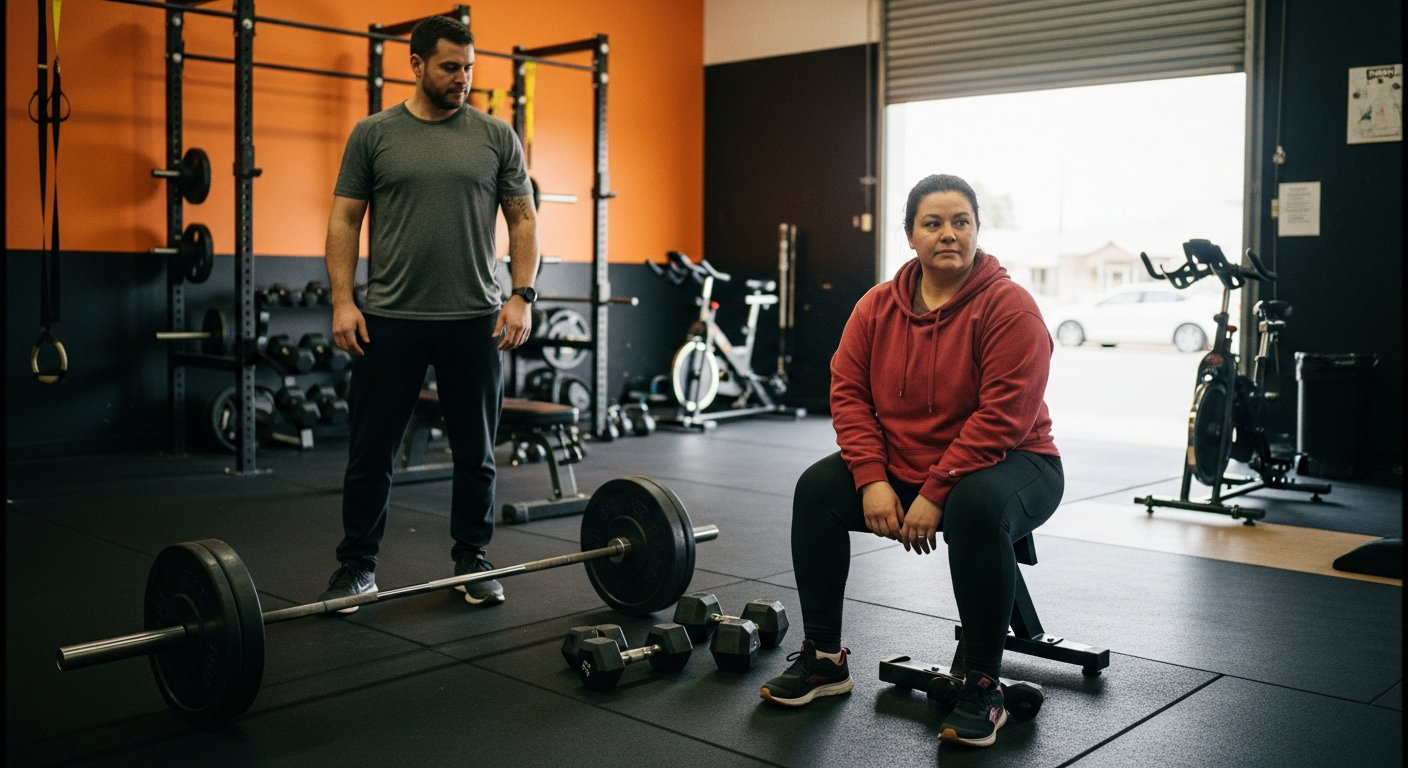
Facing the Freeze in the Treasure Valley
It happens every November. The Treasure Valley inversion settles in, the morning air bites, and the motivation to leave your warm bed drops to zero. Dealing with the cold is just a standard part of living in Idaho. But whether you are braving icy foothills winters for a weekend hike or just trying to survive the dark walk from your truck to the gym, temperature impacts how your body performs. Here at Legacy Health and Fitness in Kuna, Idaho, we see exactly how winter weather changes the way people train, recover, and stay consistent.
Because we are talking about training recovery and how your body responds to physical stress, we need to cover our bases upfront: This is general information, not medical advice. Legacy Health and Fitness offers coaching; any clinical evaluation, diagnosis, or treatment is handled privately by your SamaritanMD-licensed provider. Always consult your provider for clinical decisions.
Now, let's talk about what actually happens to your muscles, joints, and motivation when the temperature drops—and how you can adapt your routine to keep making progress all winter long.
Why the Cold Changes Your Warm-Up (and Your Joints)
If you have ever felt like the Tin Man walking into the gym on a 20-degree morning, you aren't imagining things. Your joints are surrounded by synovial fluid, which acts as a lubricant. When the ambient temperature drops, this fluid becomes thicker and more viscous. That means your joints literally experience more friction and stiffness until your core temperature rises.
And if you are tackling a 20 to 25-minute commute from Boise or Meridian back to Kuna after work, sitting in a chilly car only compounds that stiffness. You step out of your vehicle with shortened hip flexors, tight hamstrings, and cold joints. Jumping straight onto a bench press in that state is a recipe for a tweaked shoulder.
This is why your warm-up has to change in the winter. The American College of Sports Medicine (ACSM) consistently recommends dynamic warm-ups to prepare the body for resistance training, but in the winter, you need to extend that window. Five minutes on a rower or assault bike isn't just about getting your heart rate up; it is about physically warming the tissues and restoring elasticity before you ask them to move heavy loads. Take the extra time. Your knees will thank you.
Cold Plunges and Ice Baths: What the Research Actually Says
You can't scroll through social media without seeing someone sitting in a tub of ice water. Cold exposure has become the trendy answer for everything from muscle soreness to mental toughness. But if you are a working adult trying to build strength or improve your body composition, does it actually help?
The science is highly nuanced. A widely cited meta-analysis published in the Journal of Physiology looked at cold water immersion after strength training. The researchers found that jumping into an ice bath immediately after lifting heavy weights can actually blunt muscle hypertrophy. The cold constricts blood vessels and reduces the acute inflammation that your body needs as a signal to rebuild and grow stronger muscle tissue. If you wipe out that signal, you might be shortchanging your own hard work.
That doesn't mean cold exposure is entirely useless. It may help support perceived recovery and reduce delayed onset muscle soreness (DOMS) if you are an endurance athlete who needs to compete again the very next day. But for the average person lifting weights three to four days a week, prioritizing sleep and protein will do far more for your recovery than freezing in a tub. Results may vary depending on your specific training volume, but generally, keep the ice away from your immediate post-lift window.
Beating the Treasure Valley Winter Slump
Let's be honest. The hardest part about winter fitness isn't the physiology; it is the psychology. When it gets dark at 5:00 PM and the wind is howling off the Snake River Birds of Prey area, your couch looks highly appealing. The friction required to pack a gym bag, scrape your windshield, and drive to a workout feels monumental.
This is where flexibility becomes your best tool for consistency. If your gym closes at 9 PM or doesn't open until 6 AM, you are forced to train during the exact hours you feel the most rushed and miserable. Removing the barrier of operating hours is the easiest way to keep your momentum going through February.
If you want a 24/7 gym that makes early morning or late-night winter workouts actually possible, join Legacy Health and Fitness in Kuna—doors are always open, and you can train on your own schedule.
Adjusting Your Training Recovery for Adults Over 40
As we age, our tolerance for systemic stress changes. In your twenties, you might have been able to play a frozen game of flag football, eat a terrible meal, and hit a PR in the gym the next day. By the time you hit your forties, recovery requires a lot more intention.
When looking at wellness coaching over 40, the focus shifts from surviving brutal workouts to optimizing how your body repairs itself. The winter months actually offer a great opportunity to dial in your recovery habits. Because you probably aren't doing as much outdoor running or hiking, you can dedicate more energy to progressive overload in your strength training and strictly managing your sleep.
Research suggests that maintaining lean muscle mass is one of the most critical factors for long-term metabolic health. Instead of chasing the latest extreme recovery trend, focus on the basics that actually move the needle: adequate hydration (which people often neglect when it's freezing outside), eating enough protein, and getting seven to eight hours of quality sleep. Build your foundation first.
How to Structure Your Winter Workouts
Because the cold weather naturally pushes most of us indoors, winter is the traditional season for building strength. You aren't burning excess energy on long summer mountain bike rides at Bogus Basin, which means your central nervous system has more capacity to handle heavy lifting.
Focus your programming on major compound movements: squats, deadlifts, presses, and rows. These exercises recruit multiple muscle groups, generate a massive amount of internal heat, and provide the best return on your time investment. If you are pressed for time before the school drop-off, a focused 45-minute session of heavy compound lifts will do far more for your body composition than an hour of aimless machine work.
And remember to layer intelligently. Start your workout in a hoodie or long sleeves to trap heat during your extended warm-up. As your core temperature rises and you get into your working sets, you can shed the layers. Keeping your joints warm between sets reduces the risk of injury, especially if you take longer rest periods for heavy strength work.
Consistency Over Everything
Winter in Idaho is long, dark, and often bitterly cold. But it is also the perfect time to put your head down and do the quiet work that pays off when summer finally rolls around. You don't need a complicated routine or a trendy biohacking protocol to succeed. You just need a warm place to lift, reliable equipment, and the discipline to show up when you'd rather stay in bed.
Don't let the weather dictate your fitness. Get 24/7 access with mobile phone entry (no key fob required) and a free session with a Personal Coach. Start your membership at Legacy Health and Fitness in Kuna, Idaho for just $35 a month, with no long-term contract. We are here when you are ready to get to work.
Frequently Asked Questions
Ready to train on your schedule?